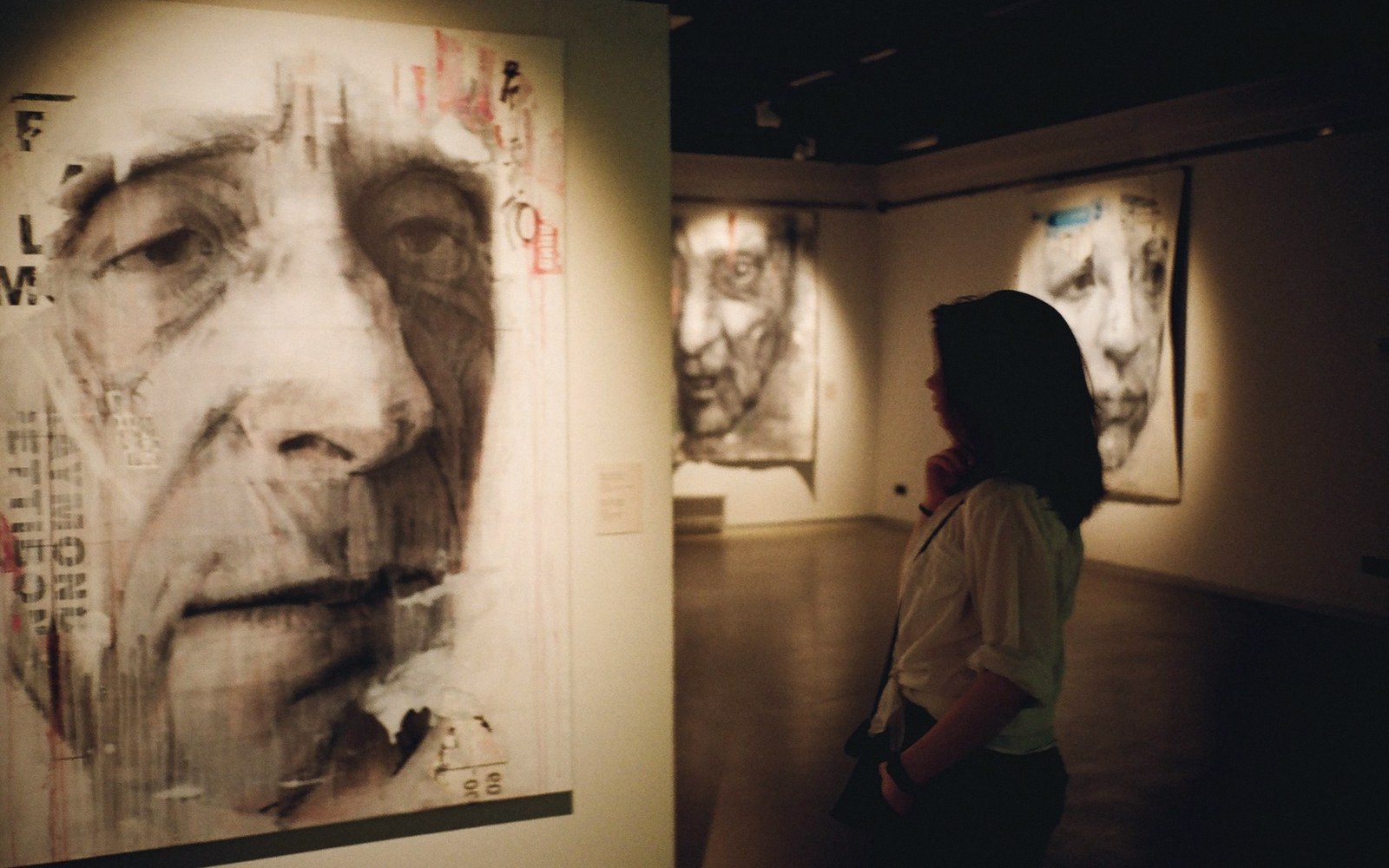
What reproduction destroys
Every photograph of a painting is the same size — about a hand span — which removes the single most important fact about most of them.

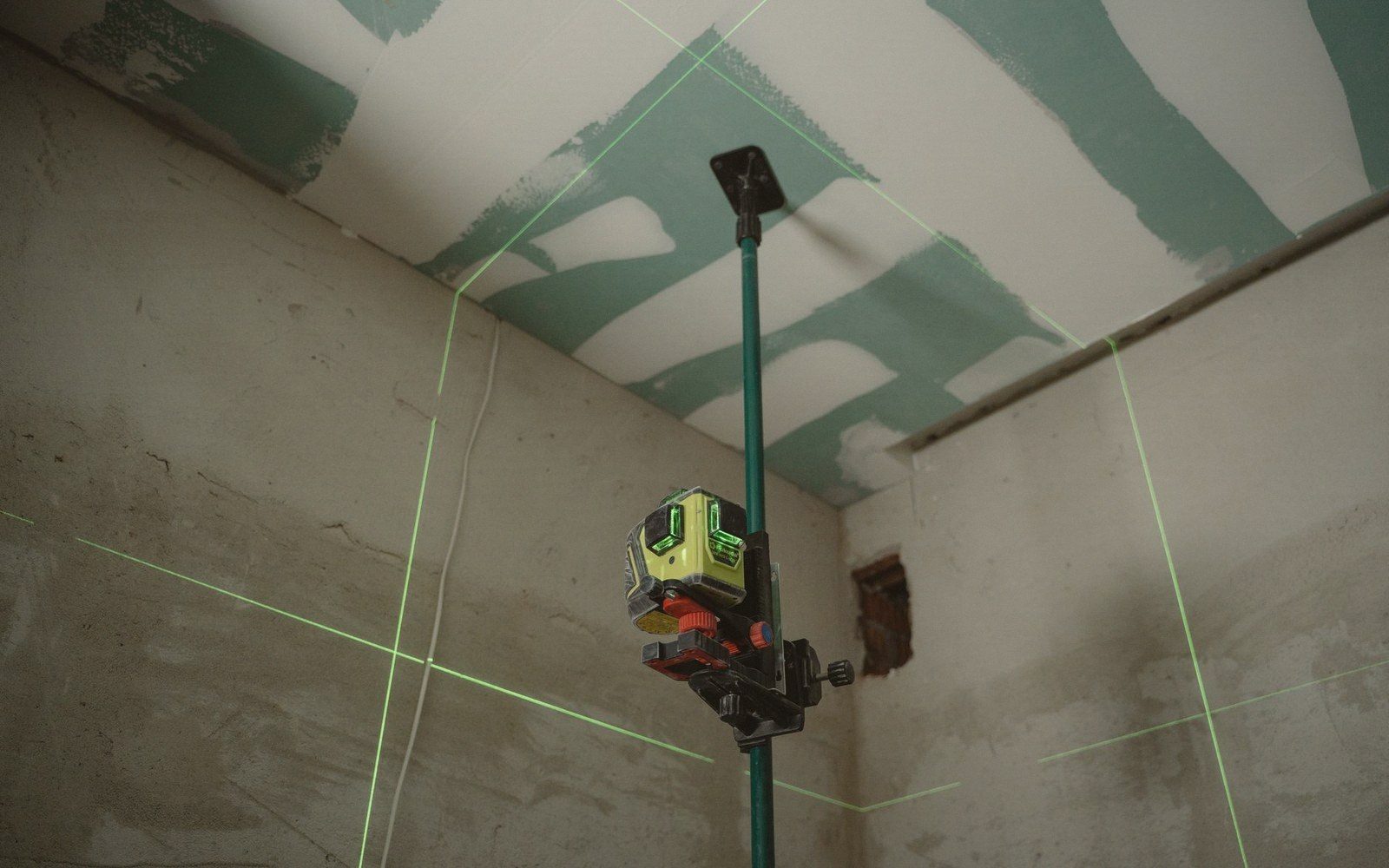
Hanging / 1450 mm
Every entry here is a physical variable — a height, an angle, a distance, a wall tone — and what changes when it changes. Five sections, twenty entries, no reviews and no listings.
Almost everything a room does to a painting has already happened by the time you notice you are looking.
Start here
Chosen because each one changes what you do with your feet, your eyes or your wall the next time you look at something.
Every photograph of a painting is the same size — about a hand span — which removes the single most important fact about most of them.
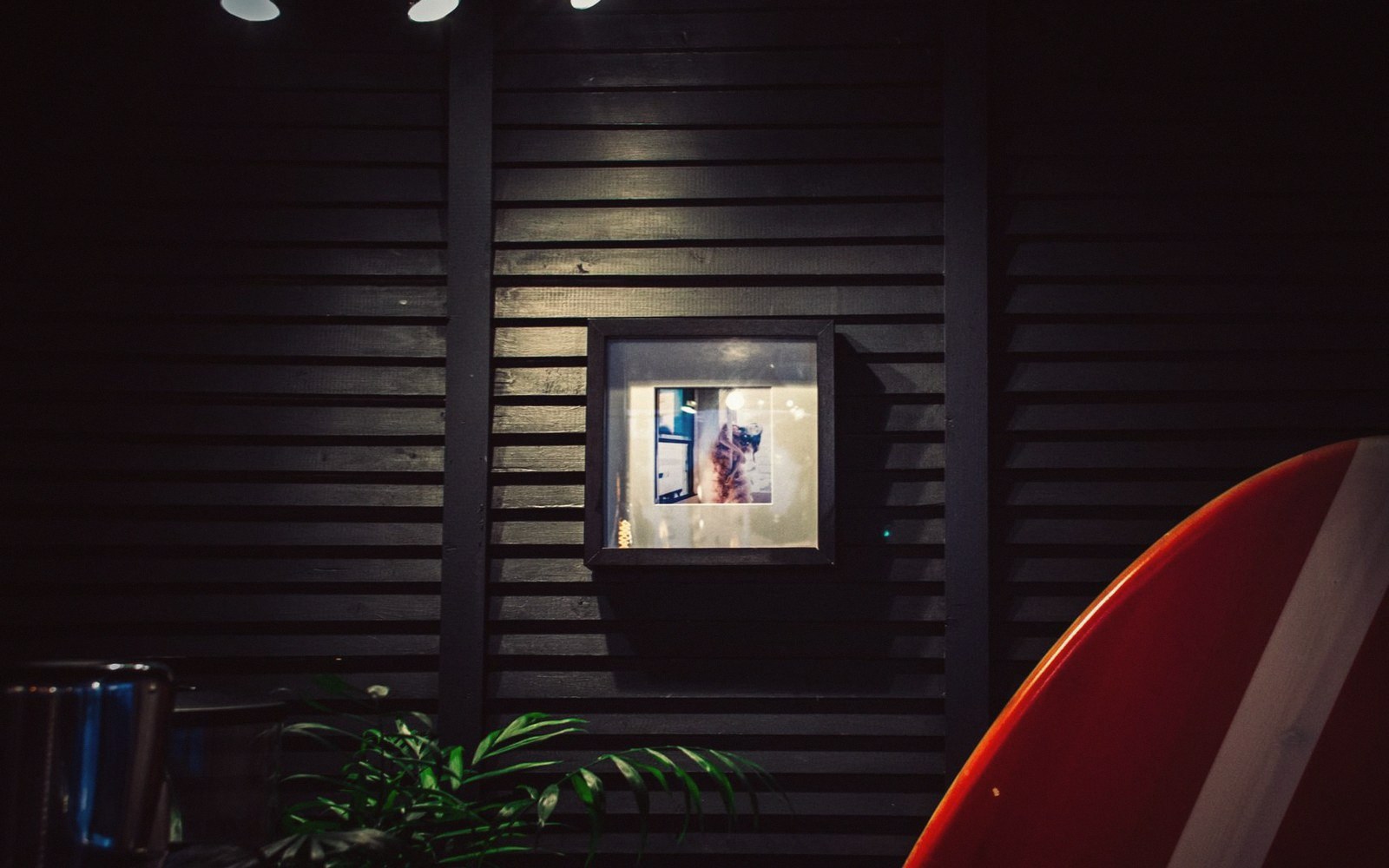
A varnished or glazed surface reflects the source straight back if the angle is wrong. Roughly thirty degrees from vertical is the working answer.
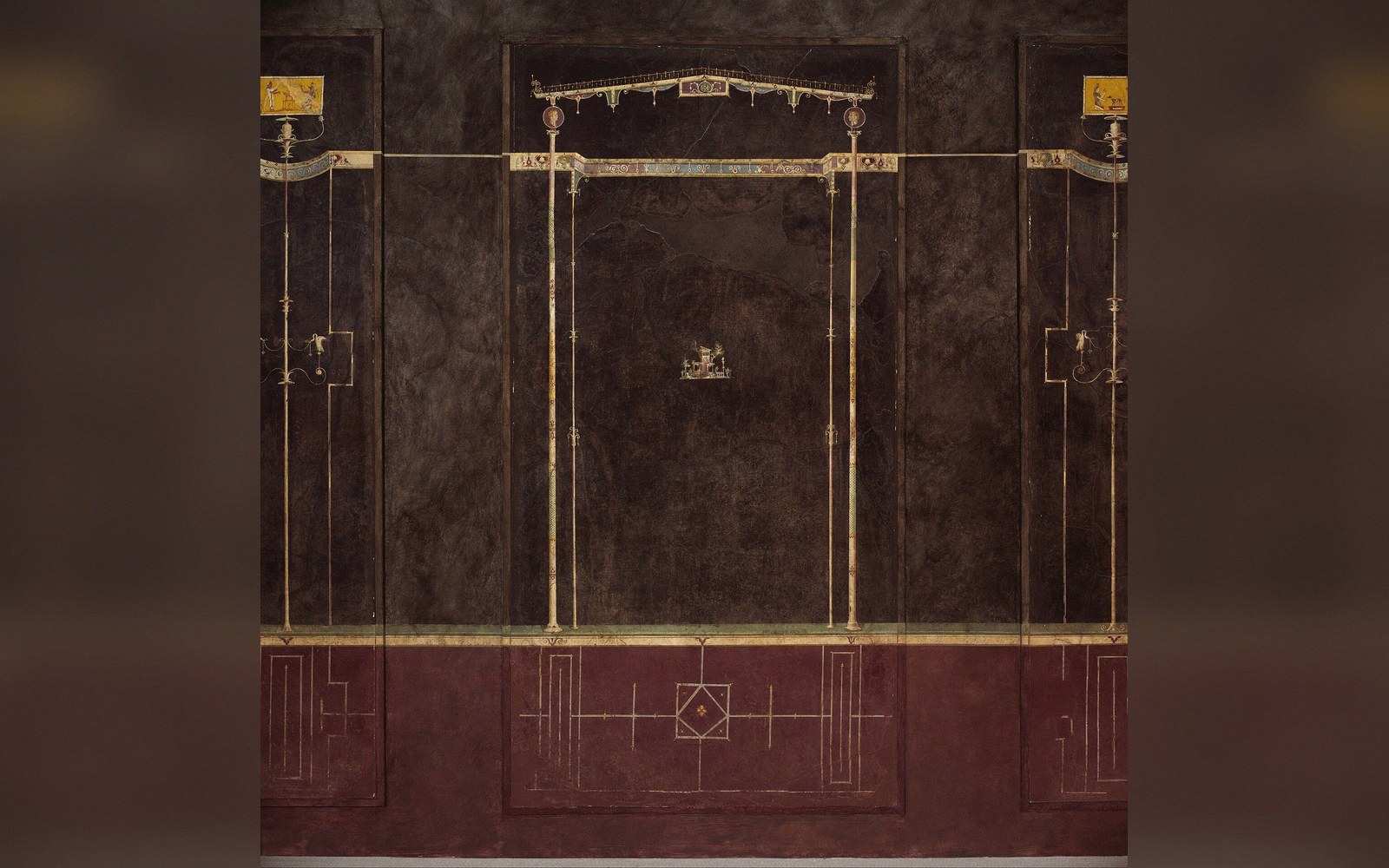
White is recent and not neutral. A coloured wall changes every value in every work hung on it.
Glass protects and reflects; the trade is between the two.
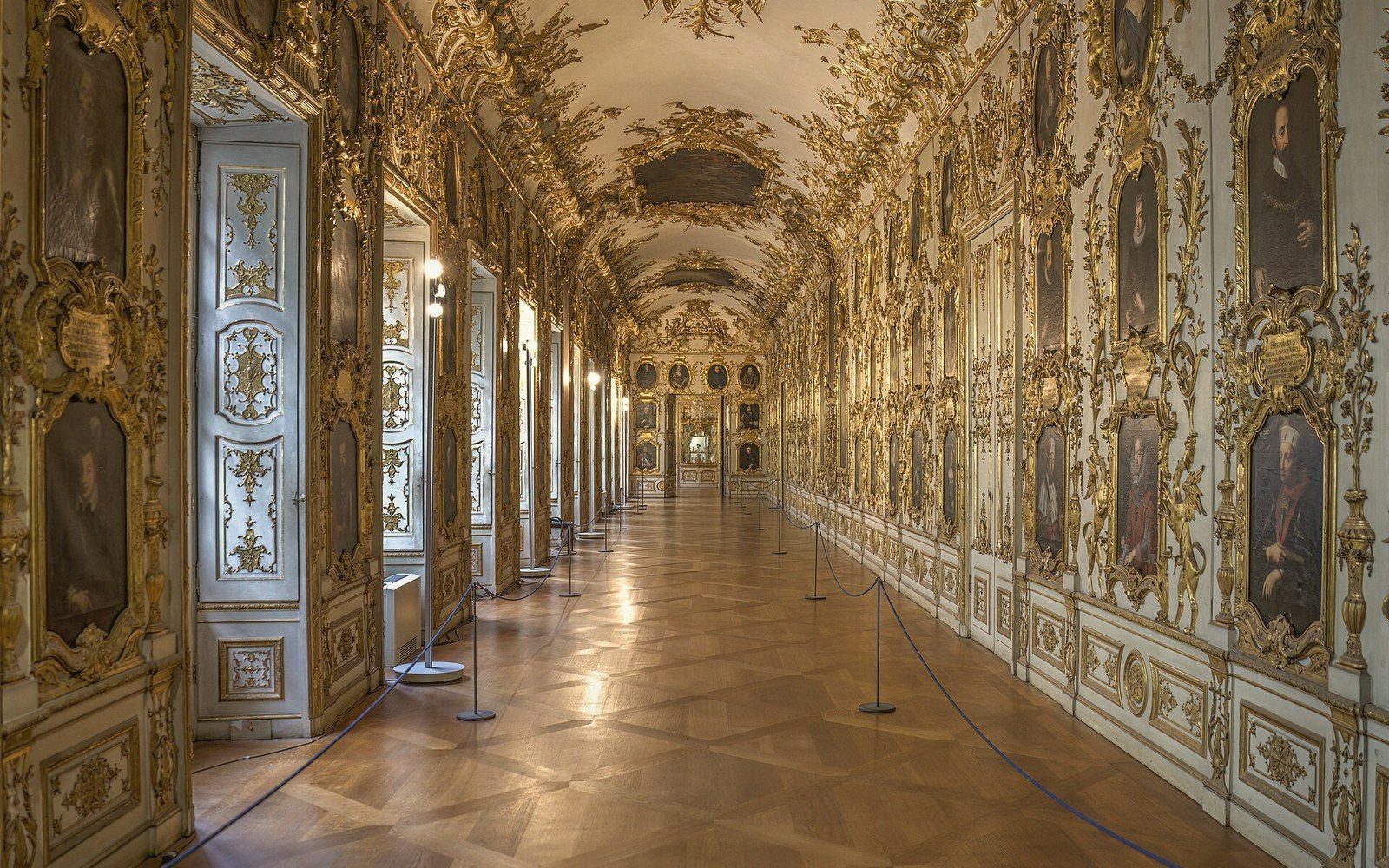
Circulation, seating and where people actually stop.
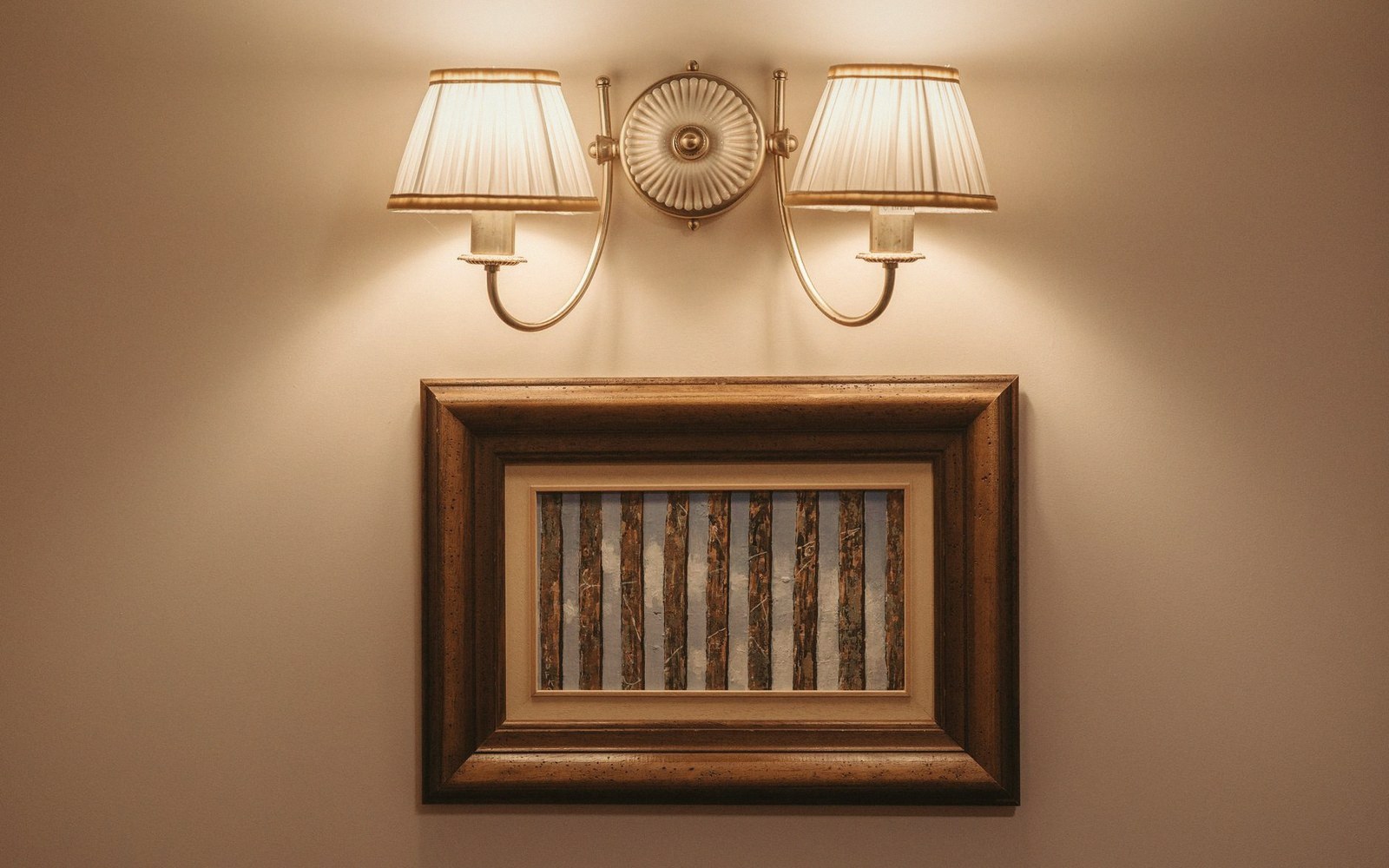
What this publication is
A centre line, a gap between two frames, a lamp turned a few degrees, a wall painted down from white. None of them are the work, and all of them change it.
We describe those decisions and what they do to your looking: a varnished surface that returns the light source to your eye, a canvas that cannot be read at one metre because it was built to be met at four, a frame that argues with what it holds.
Nothing here is a review, a listing or a recommendation. It is the mechanics, written down.
Before the work does anything at all.
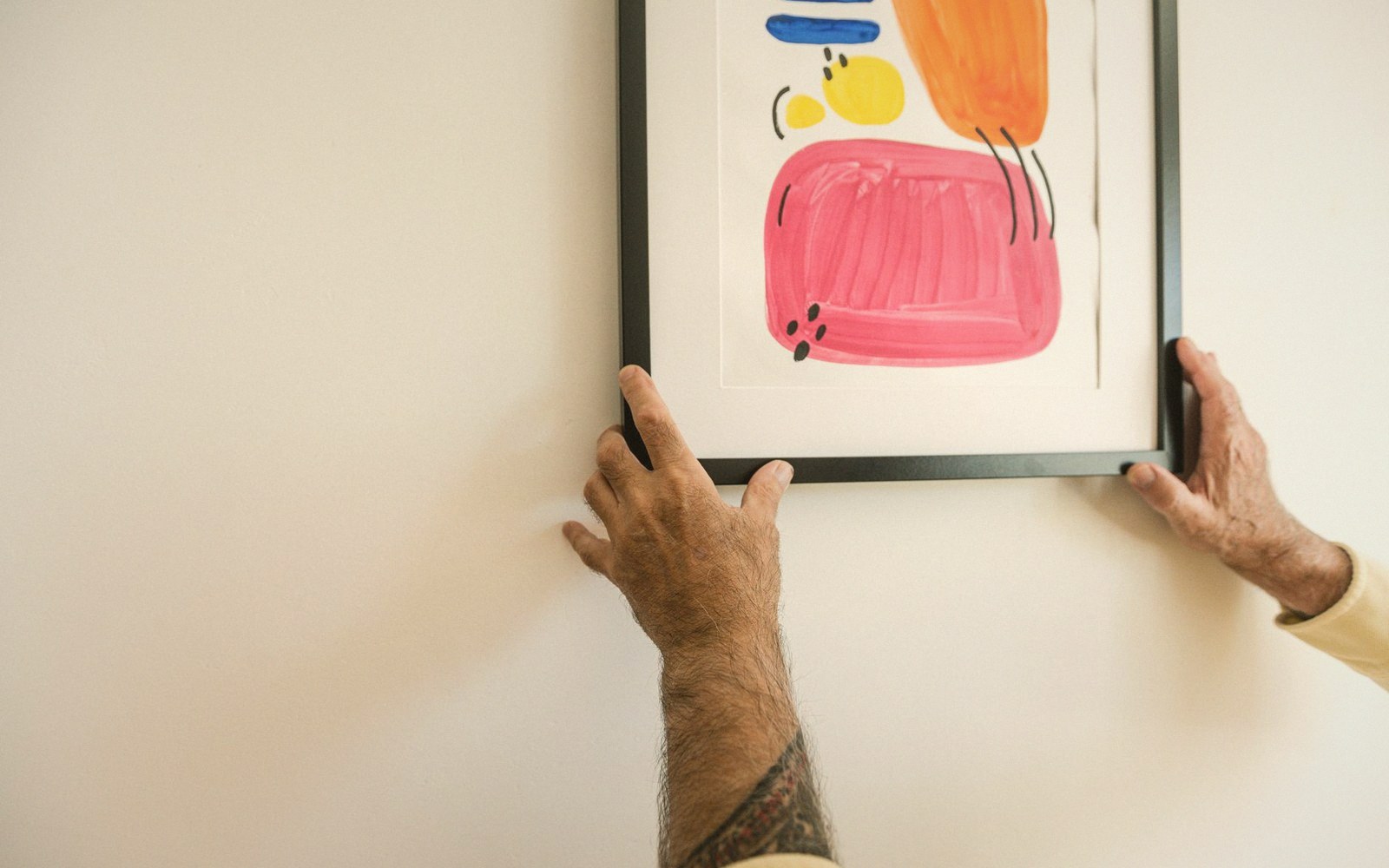
Move the centre line 100mm and a painted figure’s gaze passes over your head instead of meeting it.
Thirty degrees from vertical keeps the reflection off the axis you stand on and still rakes the surface.
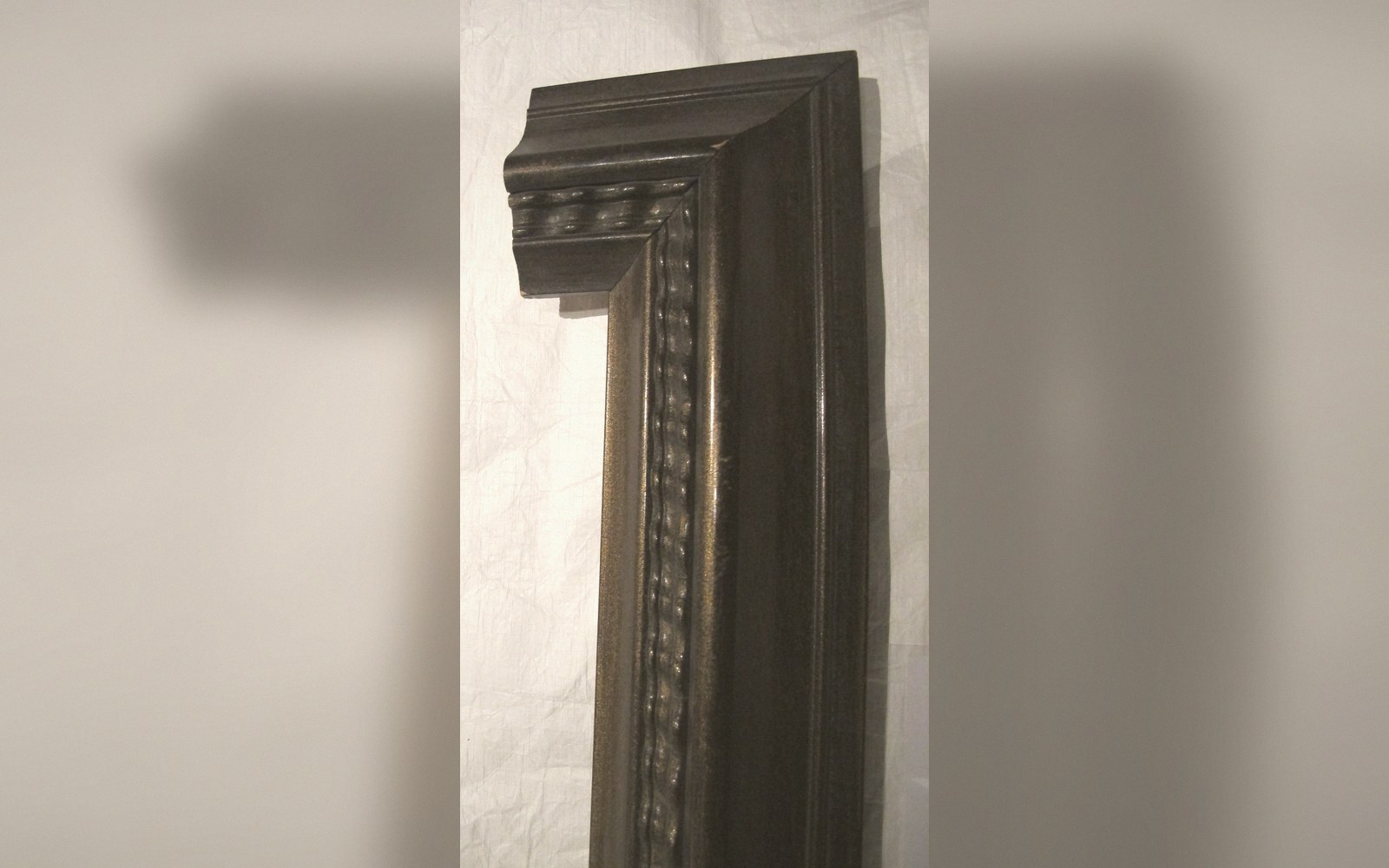
A mount, a rabbet and a sheet of glass decide where the eye agrees the work has ended.
A canvas built to be met at four metres cannot be read at one, and a photograph of it is a hand span wide.
A mid-tone wall gives the dark passages somewhere to sit. White pushes every shadow towards black.
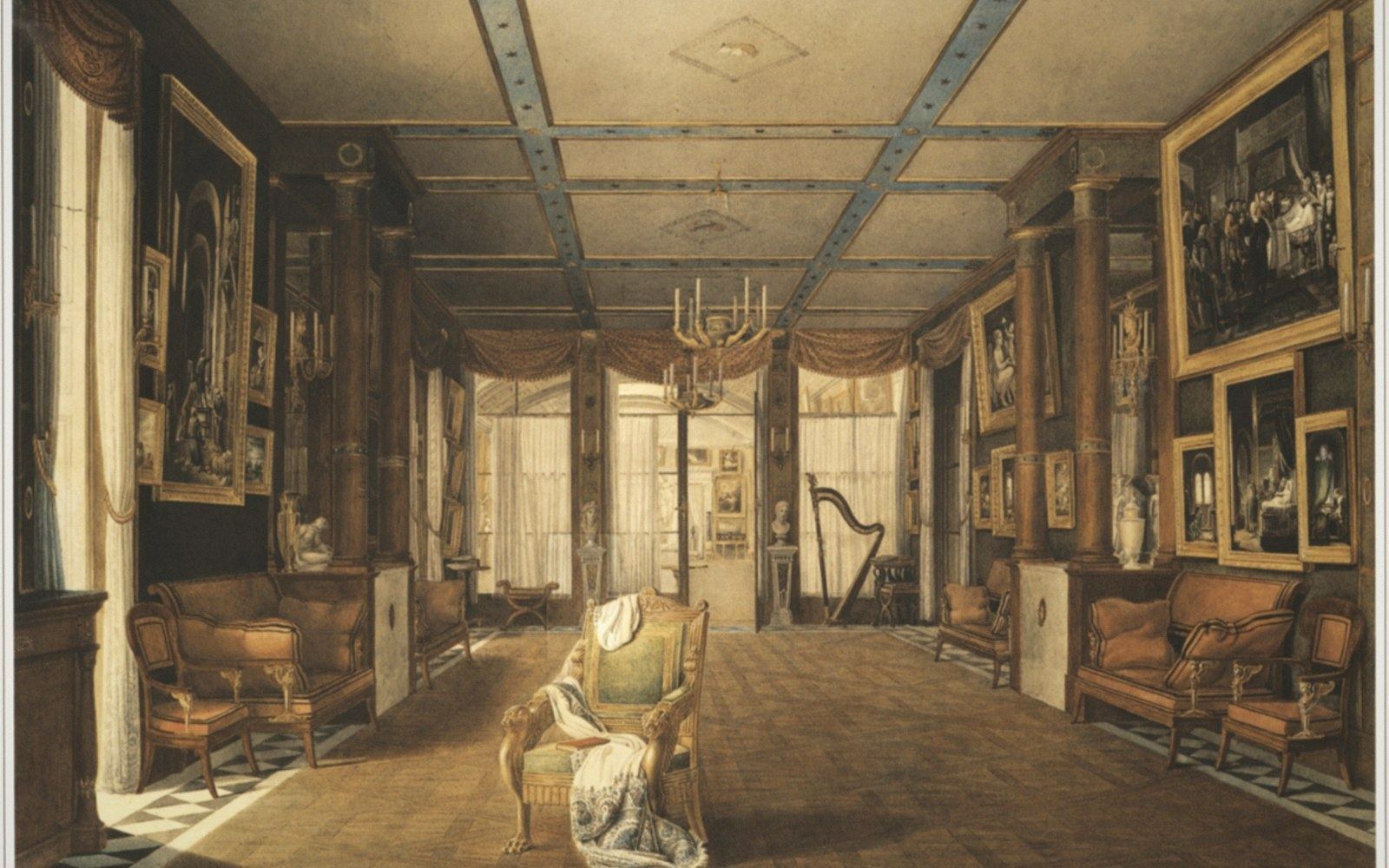
Reading a salon wall
Stacked floor to ceiling, everything above the centre line is seen from below and the top tier is barely seen at all.
The sections
Supported by
Rooms we look alongside.