The Edge / the moulding
What a Frame Is Doing
A frame separates the work from the wall and states a period. The wrong one argues with the picture all day.
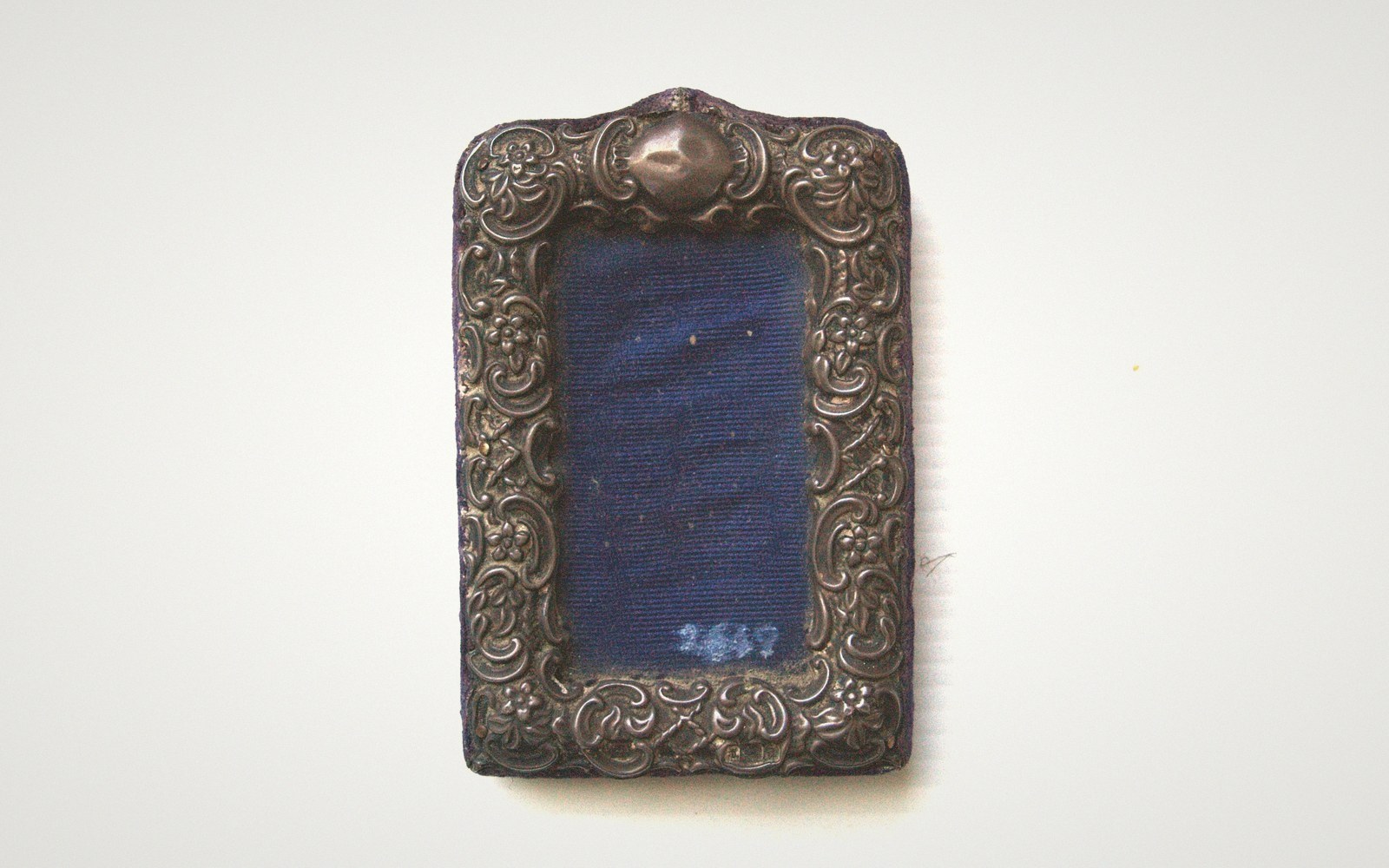
In this entry
The Frame as Argument
Every frame makes a claim. Strip a seventeenth-century Dutch panel of its carved and gilded cassetta and rehang it in a plain oak slip and you have not neutralised the work — you have made a different argument about it, one the painter never anticipated and the composition cannot support. The frame is not packaging. It is the first interpretive act the viewer encounters, and it happens before they reach the paint.
Functionally, a frame does three things at once: it terminates the picture plane, it mediates between the image and the wall, and it signals the cultural moment in which the work was — or is meant to appear — made. Get any of those three wrong and the frame fights the picture rather than completing it.
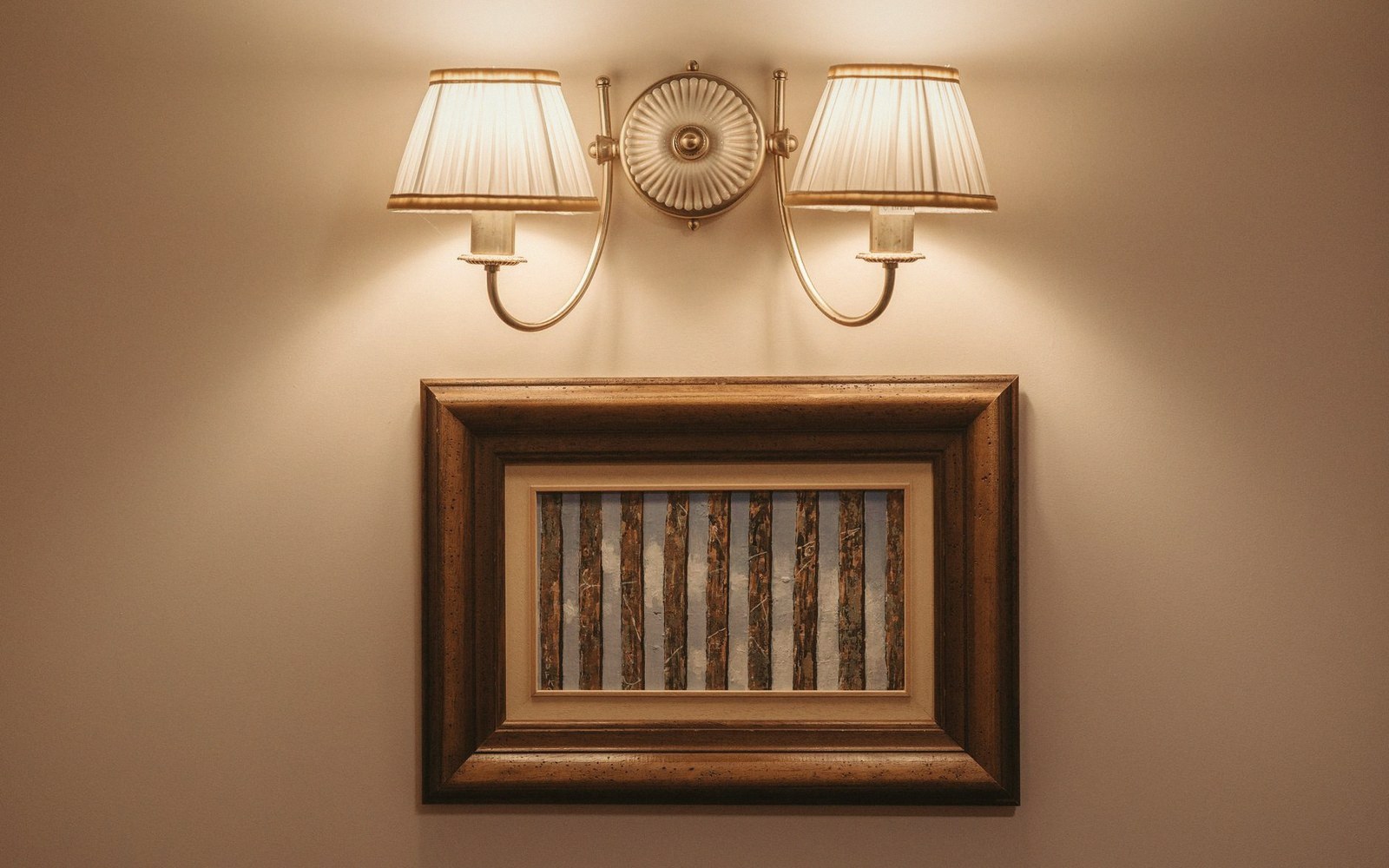
Termination, Transition and Period
Termination is the simplest job. The frame draws a line and says: here the work ends. A canvas with painted edges refuses this contract deliberately; a framed work accepts it. But the quality of that line matters. A thin profile on a large oil leaves the composition nowhere to land — the eye hits a hard edge and bounces back through the image without resolution. A deep rabbet and an inner sight edge slow the transition, giving the viewer a moment between the painting's space and the room's. That moment, almost invisible when it works, is what craftsmen in the trade call the "rest" — the visual pause before re-entry into the world.
Transition is where colour, tone and texture do their work. An early Flemish portrait in a black-painted frame reads very differently from the same portrait in a warm gilded one. Black advances the darks, flattens the mid-tones, sharpens the overall impression of graphic severity. Gold draws out the warm underpaint and the warm tones in flesh, softening and deepening simultaneously. Neither is wrong in the abstract; both are editorial positions. The mistake is indifference — choosing a frame because it was already in the storage rack or because its proportions happen to fit.
Key terms
- cassettaa low, flat-profile Italian frame type with a recessed inner field, common in sixteenth- and seventeenth-century work
- rabbet (rebate)the inner step of a frame that overlaps the canvas or panel edge
- sight edgethe innermost visible face of the frame, immediately bordering the picture
- floater framea profile that holds a canvas proud of the outer moulding, leaving a visible gap and preserving unframed edges
- profilethe cross-sectional shape of a moulding; determines visual weight and transition depth
Period is where things become dangerous. A frame carries a date as loudly as any costume. An Arts and Crafts flat-oak profile on a Baroque altarpiece says 1900 as clearly as it says 1680, and the two dates pull in opposite directions all day. Period-appropriate frames — when they are correct originals, or well-researched reproductions — allow the work to occupy a coherent historical moment, even in a white room. Anachronistic frames scatter attention, and the viewer registers the dissonance without always knowing why the room feels unsettled. Wall tone compounds this: a warm limewash against an inappropriate cold-metal profile sharpens the anachronism rather than disguising it.
The Contemporary Problem
Works made after roughly 1950 collapsed the consensus about what a frame should be. A field painting that extends the same value to its very edge cannot take a moulding without the moulding contradicting the painting's premise. A floater frame — which holds the canvas slightly forward of a shallow outer profile, leaving a gap of a few millimetres — preserves the edge while still offering the wall a boundary to read. It is a compromise, and a principled one. But floaters vary enormously in depth, reveal and finish, and a cheap version reads as an afterthought where a considered one reads as a resolved decision.
The current fashion for museum-standard white box frames applied to work of any period is a different problem: it neutralises period so thoroughly that it also neutralises meaning. Everything looks as though it were made last year and is passing through a fair. Some works need that context; most do not.
The rule that holds across centuries is simple: a frame that can be ignored is doing its job. One that cannot — because it clashes in period, dominates in weight or contradicts in tone — is costing the picture something it cannot afford to lose.
What changes when it changes
- Frame colour against warm underpaintadvances or suppresses tonal warmth across the whole picture
- Frame period vs. picture periodcoherence or anachronism; the viewer registers the mismatch without naming it
- Moulding depth relative to canvas sizeshallow on large work leaves the composition unresolved at its edges
Also in The Edge