The Edge / the edge
Where a work stops
The edge of a canvas is a decision about where the image ends — and not every painter makes the same one.
The question the stretcher forces
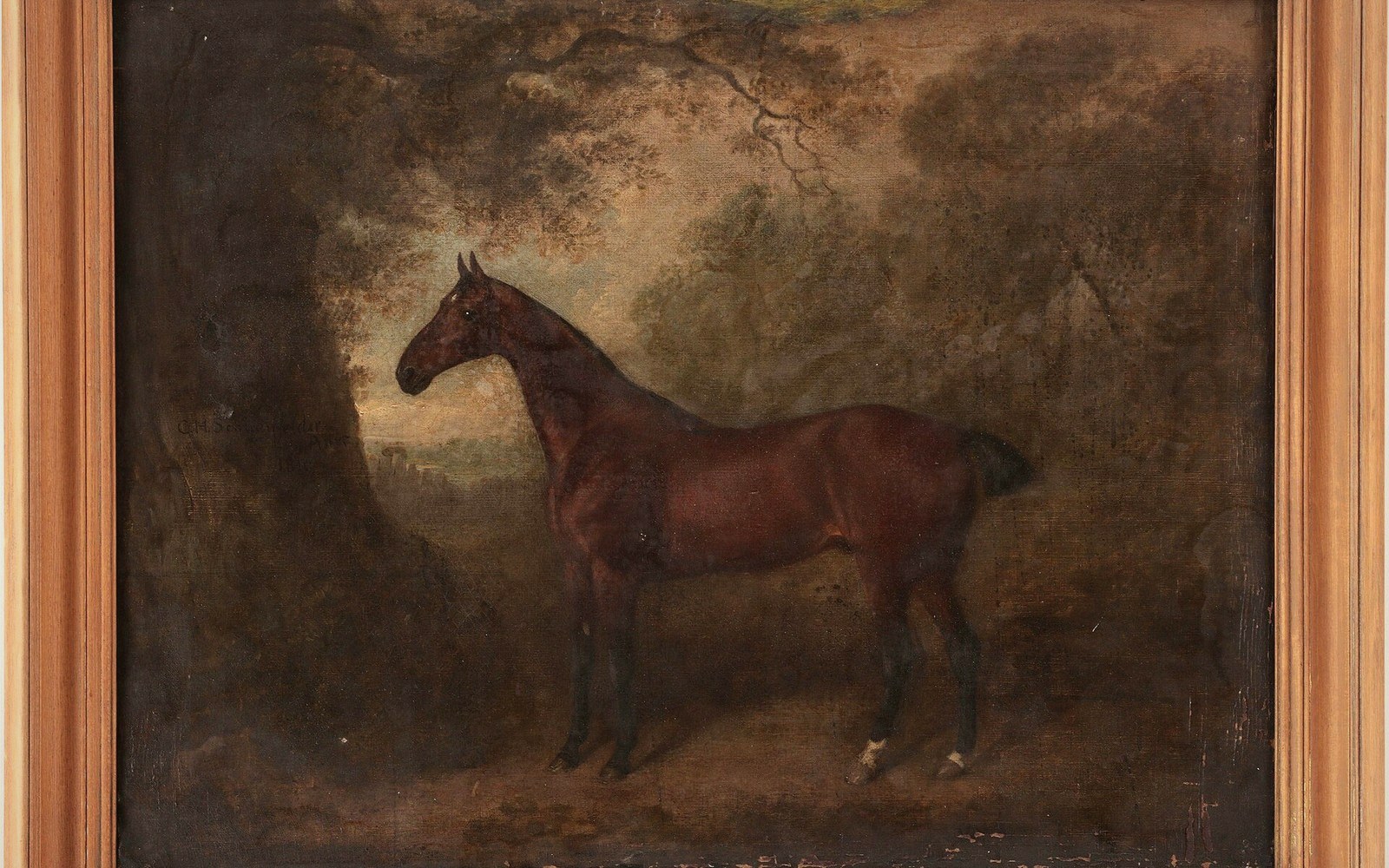
A framed painting has a clean answer: the work stops at the rebate, the frame takes over, and the wall begins somewhere beyond that. Remove the frame and the question reopens. A gallery-wrapped canvas — one where the image or a toned continuation of it runs around the side — presents its own edge to the room. That edge is now part of what you see, not a structural afterthought. When it is painted white or left raw, it reads as a full stop. When the image wraps, the eye is invited around the corner, which changes the apparent weight of the work entirely. A painting that wraps aggressively can seem to float; one with a raw linen return tends to sit heavier.
The depth of the stretcher matters almost as much as what is done with it. A shallow stretcher of twenty millimetres or so behaves like a shallow relief; a deep gallery stretch at forty or fifty millimetres is already asserting something sculptural. Lighting reacts accordingly — a deep edge catches raking light, throws a shadow onto the wall, and turns the work into a low object rather than a flat image. That shadow is doing compositional work whether the installer intends it or not.
Some painters resolve the question by treating the edge as a coloured plane — neutral, matched to wall tone, or to the dominant hue of the painted surface — so that the eye stops cleanly and the object feels resolved. Others use masking tape hard to the face during painting, creating a ruled line at the break; the physical precision of that line is the whole of the decision. A sloppy painted edge on an otherwise taut work is like a well-dressed person with unpolished shoes: the overall impression suffers from a detail the maker underweighted.
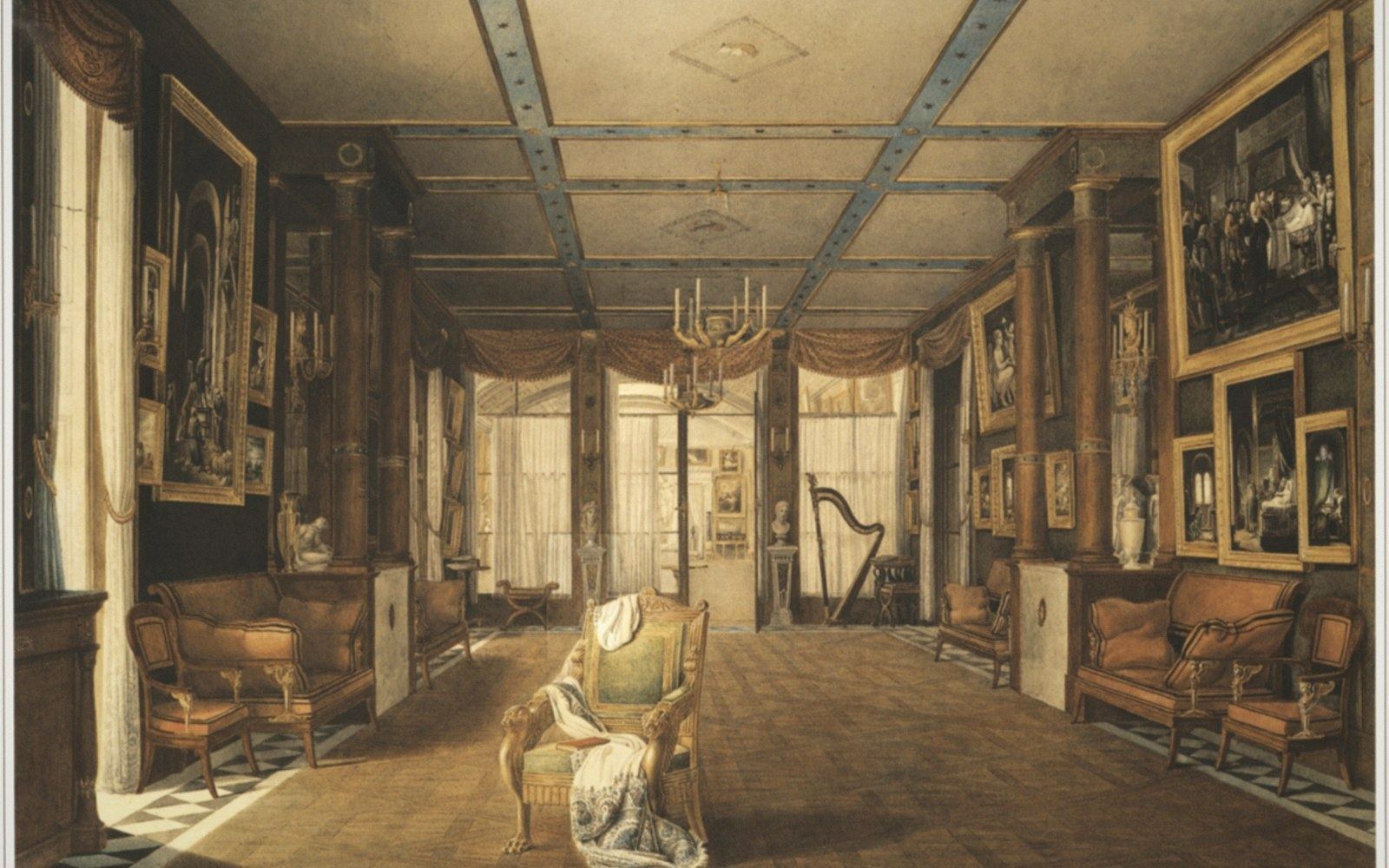
Works on panel raise a different set of answers. A cradled panel with exposed wood at the edge reads as a made object; its thickness is part of its authority. An aluminium Dibond print ends precisely, sharply, metallically — the edge is a fact of manufacture, and what a frame is doing around it becomes a harder question to settle. Hanging such a work without a frame means the wall must be clean enough to take the implied scrutiny.
What changes with edge treatment
- Wrapped imageappears to float; eye follows image around the corner
- Painted return (neutral or wall-matched)clean stop; work feels resolved
- Raw linen returnheavier optical weight; reads as unfinished or intentionally material
- Ruled painted line at the faceprecision that reads as a formal decision
- Exposed wood on panelwork reads as an object with thickness, not a flat image
- Aluminium or Dibond edgesharp, manufactured fact; demands a clean wall
Where a work stops is where the room has to start. Get the edge wrong — raw and ragged where precision was wanted, or brutally tight where air was needed — and the wall responds badly. The edge is the last thing the maker controls and the first thing the hanger inherits.
Also in The Edge