The Room / sequence
Order
A hang is an argument. The sequence proposes relationships the works never made.
In this entry
The sequence as claim
Walk into any hung room and a proposition is already being made. The work facing you from the far wall says: start here. The piece to its left says: and then this. Proximity implies kinship; succession implies development. None of these relationships exist in the works themselves — they were made separately, in different studios, sometimes centuries apart — but the arrangement insists on them anyway. A hang is not neutral presentation. It is an argument, and the argument runs whether or not anyone acknowledges it.
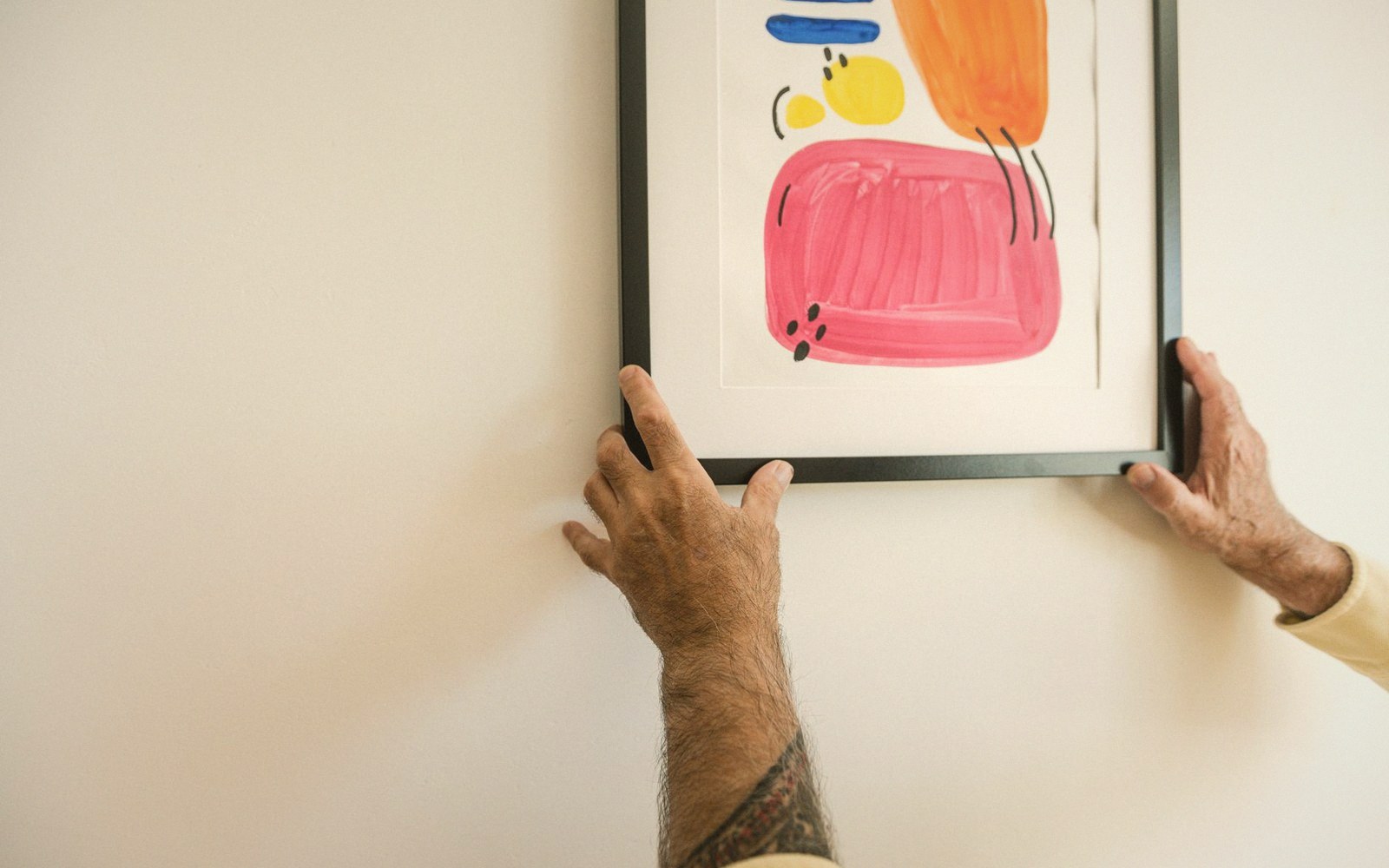
The hanging technician, of all people, knows this most plainly. Where a curator speaks of themes and chronologies, the technician registers the physical consequences: the gap between two works that determines whether they feel related or estranged; the axis that pulls or deflects a viewer's path; the height at which something is placed that signals whether it deserves your close attention or only your peripheral awareness. These are decisions with interpretive weight.
How sequence operates
The first work seen sets the terms. Whatever stands in the sightline from the entrance establishes scale, palette, mood, period — and everything seen afterward is unconsciously measured against it. Change that single work and the room reads differently: not because the other works changed, but because the opening premise changed. Sequence is that fragile, and that powerful.
Movement through a room is rarely random. Visitors tend to bear right on entry — a well-documented tendency in exhibition design — and once that path is established, the hang either works with it or against it. When it works with it, the argument unfolds in a legible order. When it fights it, a viewer arrives at what the curator considered a climax feeling disoriented, having come at it from the wrong direction.
How sequence shapes a room
- First work seenestablishes scale, palette, mood; everything is measured against it
- Bear-right tendencyvisitors default on entry; the hang works with or against it
- Adjacent large worksconsolidate energy; separated, they become poles
- The dissonant piecere-illuminates others when placed with intent, not apology
- Too many premiseschronology, thematic clusters, scale signals: each one undercuts the others when they conflict
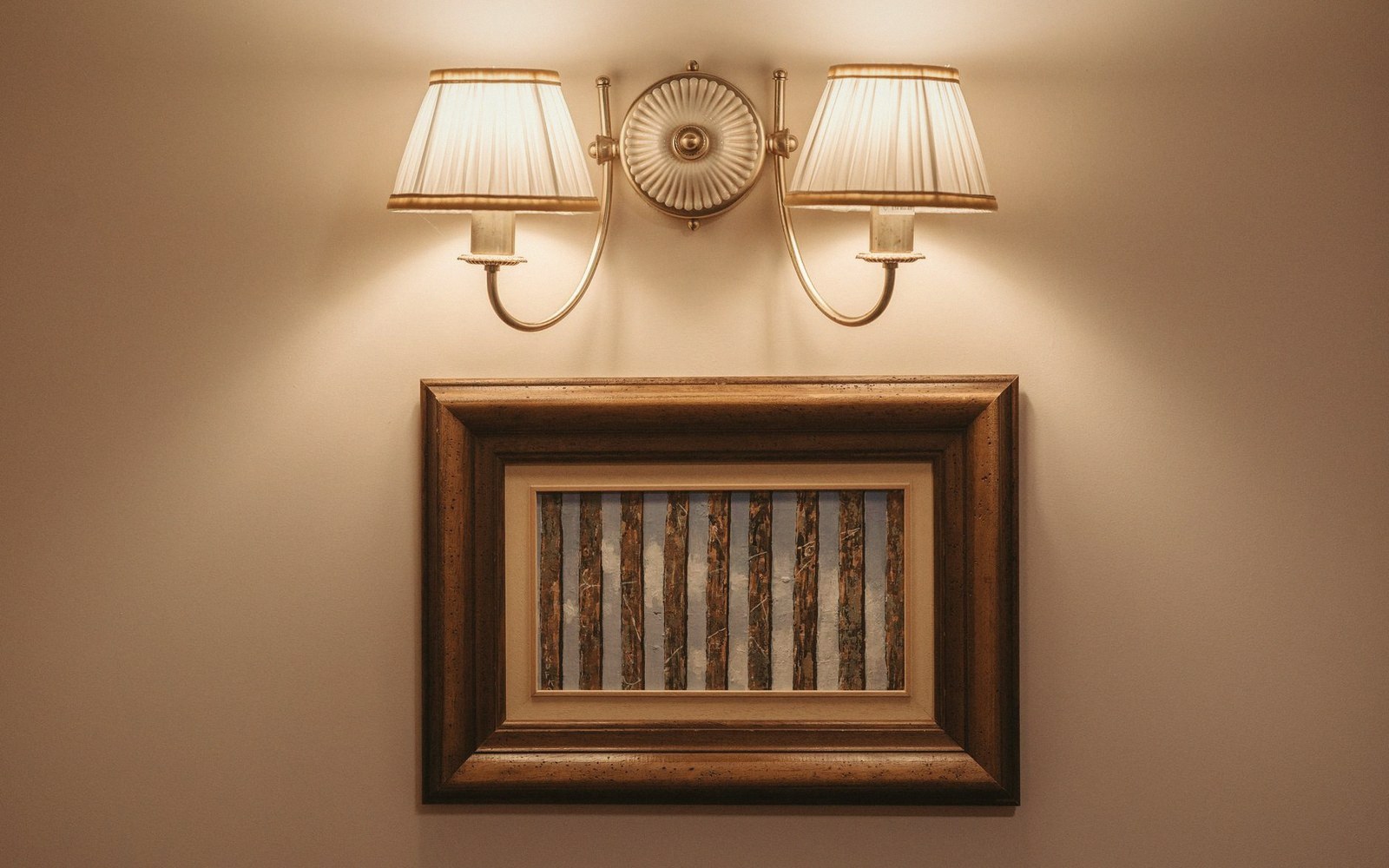
Rhythm matters as much as content. Two large works placed adjacently consolidate energy; separated by smaller pieces, they become poles that organize everything between them. Spacing and the gap between works is doing interpretive work at the same time as it is doing visual work — the interval between two landscapes either invites comparison or insists on independence. There is no neutral gap.
Chronology is the easiest structure to reach for, and often the most misleading. A date sequence suggests progress, influence, evolution — a narrative that may not be warranted. Two works made fifty years apart can have more to say to each other than two made in the same week. Choosing chronology over visual or thematic logic because it is defensible is an administrative decision dressed up as a curatorial one. It produces rooms that feel like timelines rather than arguments.

Coherence and disruption
An argument needs both a main line and productive friction. A room hung entirely from one premise — same period, same palette, same scale — risks becoming a demonstration rather than an experience. The work that slightly doesn't fit, placed with care rather than apology, is often where attention sharpens. The question it forces — why is this here? — is the question that activates the others. The dissonant element earns its place when it re-illuminates what surrounds it.
The opposite failure is a room with too many premises operating at once. Chronology undercut by sudden thematic clusters; scale changes that suggest importance but don't follow through; a wall tone that argues with half the works. These accumulate into a room that feels argued-at rather than argued-through. Visitors feel the strain without being able to name it. They move faster, stop less, remember little.
Coherence, properly understood, is not uniformity — it is the sense that someone made considered decisions and can be held to them. A visitor should be able to feel an intelligence behind the arrangement even when, especially when, they disagree with it. The room that earns disagreement is doing its job. The room that just generates confusion has lost the argument before it began.
Order, then, is not a neutral container for the works. It is the room's first and most persistent claim about what the works mean in relation to each other. Change the order and you change the claim. This is why hanging a room is not installation work. It is interpretation, done with walls.
Also in The Room