The Room / white walls
The White Cube
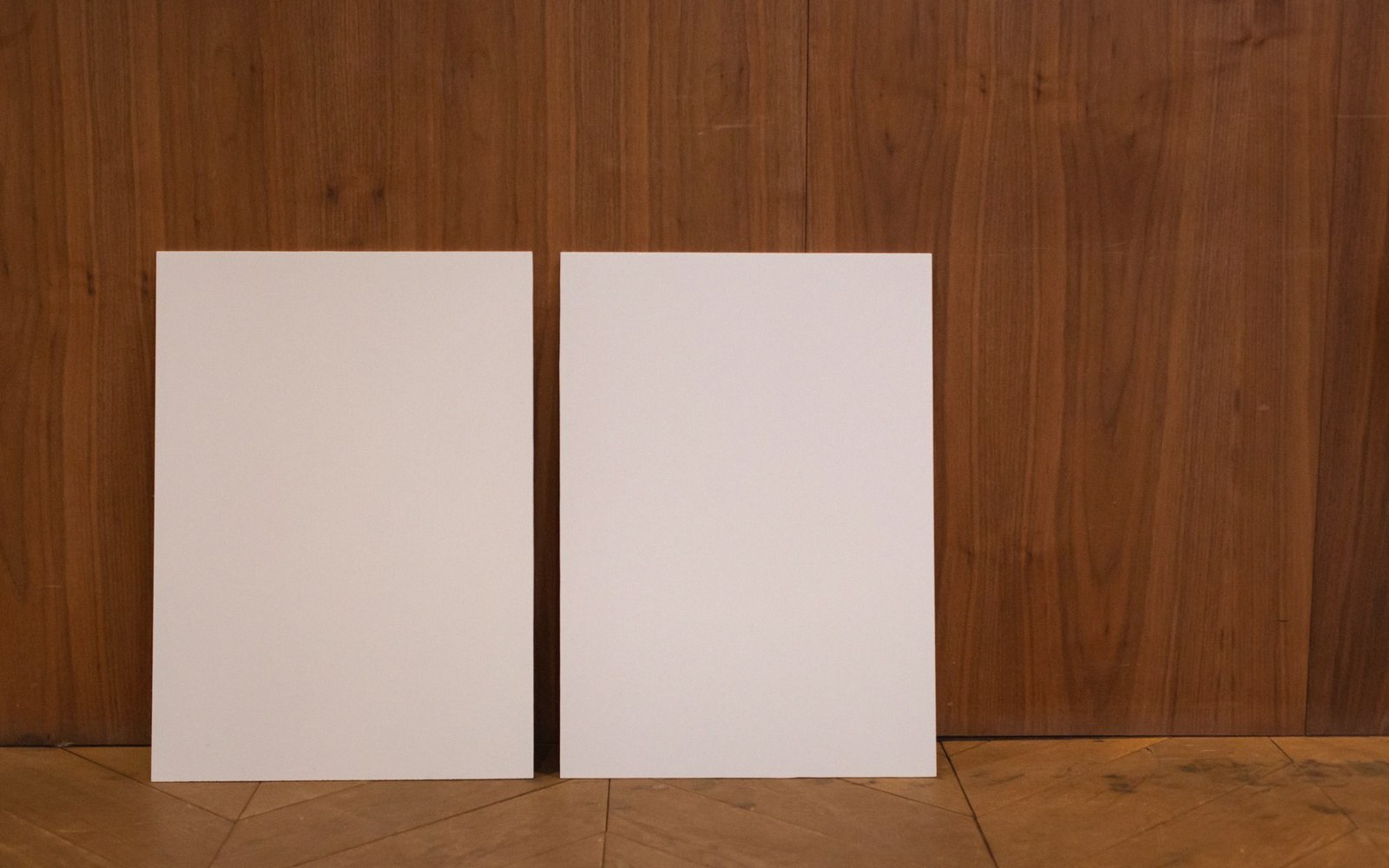
The gallery stripped to white walls, even light and no furniture is not neutral — it is an argument that has been winning for about a century.
A Convention Wearing the Clothes of No Convention
The term "white cube" was popularised by the critic Brian O'Doherty in a series of essays published in Artforum in 1976, later collected as Inside the White Cube: The Ideology of the Gallery Space. O'Doherty's argument was precise: the modern gallery does not passively house art, it produces meaning. Strip out architectural incident, paint everything white, flood the space with diffuse overhead light, and you make a claim — that the work floats free of history, context and the social world outside. That claim is ideological, not neutral.
The room type has a traceable origin. The International Style brought white walls and open plan into European and American architecture in the 1920s. Galleries followed, partly from aesthetic alignment, partly because coloured walls and period mouldings had come to feel like they were editorialising. By the time the Museum of Modern Art in New York opened its expanded building in 1939, the white room with recessed lighting had become, effectively, the default for showing modernist work.
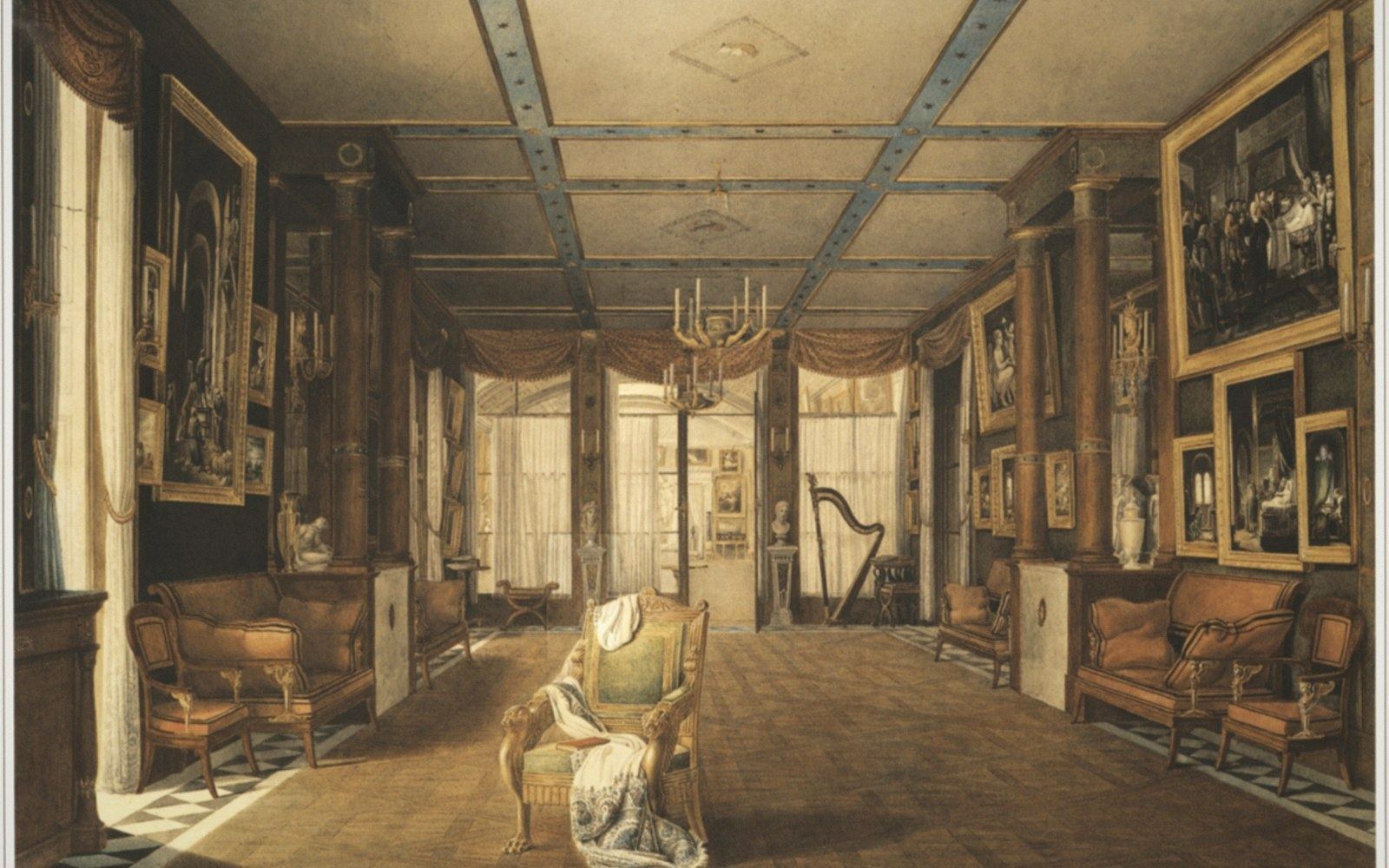
What the convention builds in is worth naming plainly. White walls suppress the room so that nothing competes with the object — a reasonable ambition that also removes the viewer from any sense of occasion or domesticity. Diffuse, even lighting eliminates shadow and raking effects, which helps photography and hinders looking: impasto that would read clearly under a directed source flattens into the canvas. The absence of seating assumes a moving, not a settling, viewer. Each of these is a choice about what light does to surface, about circulation, about whose body the room is designed for.

None of this makes the white cube wrong. It concentrates attention effectively. It scales well from small works to monumental ones. And it has trained three or four generations of visitors to read against it — to arrive already tuned for the object, not the room. That conditioning is itself part of what the convention delivers.
The argument in brief
- White cube as termcoined by Brian O'Doherty, Artforum, 1976; collected as Inside the White Cube (1986)
- MoMA New Yorkexpanded 1939 building helped standardise the format
- Key assumptions built in: suppressed context, diffuse light, no seating, mobile viewer
- The convention trains viewers, andthat conditioning is itself a delivered effect
But a room that looks like no decision was made is always a room where someone decided very carefully. The white cube is a wall tone that claims to be the absence of one.
Also in The Room