The Edge / the glass
Glazing
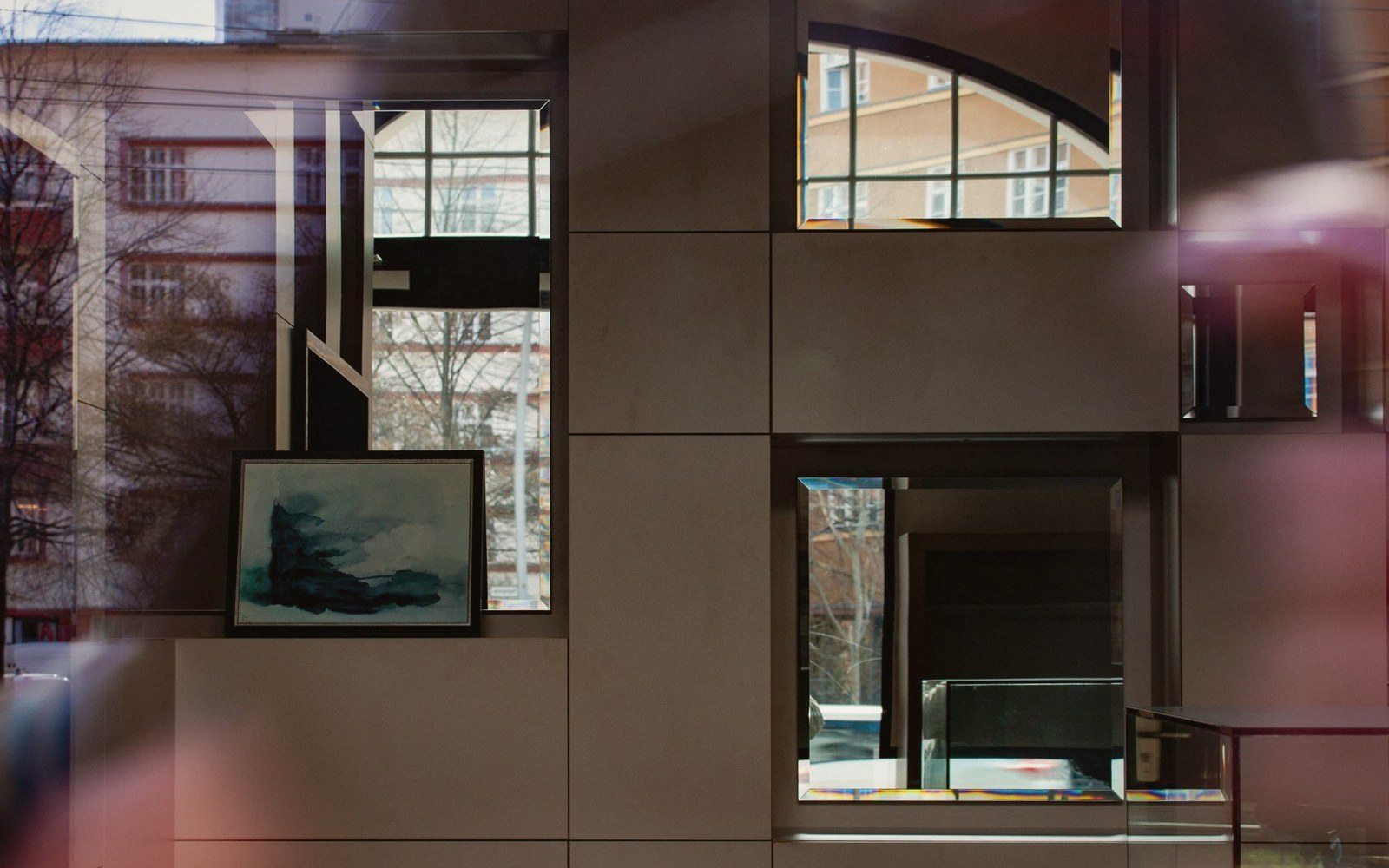
Glass protects and reflects; every decision about what goes between a work and the viewer is a trade between those two things.
The Surface in the Way
Glass does two jobs that pull against each other. It seals a work against humidity, dust, handling and ultraviolet — conservation glass with a UV-filtering coating can block more than ninety percent of the radiation that fades watercolour and degrades works on paper. It also introduces a new surface between the viewer and the work, and that surface reflects.
Standard float glass reflects roughly four percent of incoming light per face — two faces, so around eight percent in total. Anti-reflection coatings bring that figure down dramatically; museum-grade AR glass can reach below one percent total reflection. The catch is cost and fragility: coated surfaces scratch easily and must be cleaned with care.
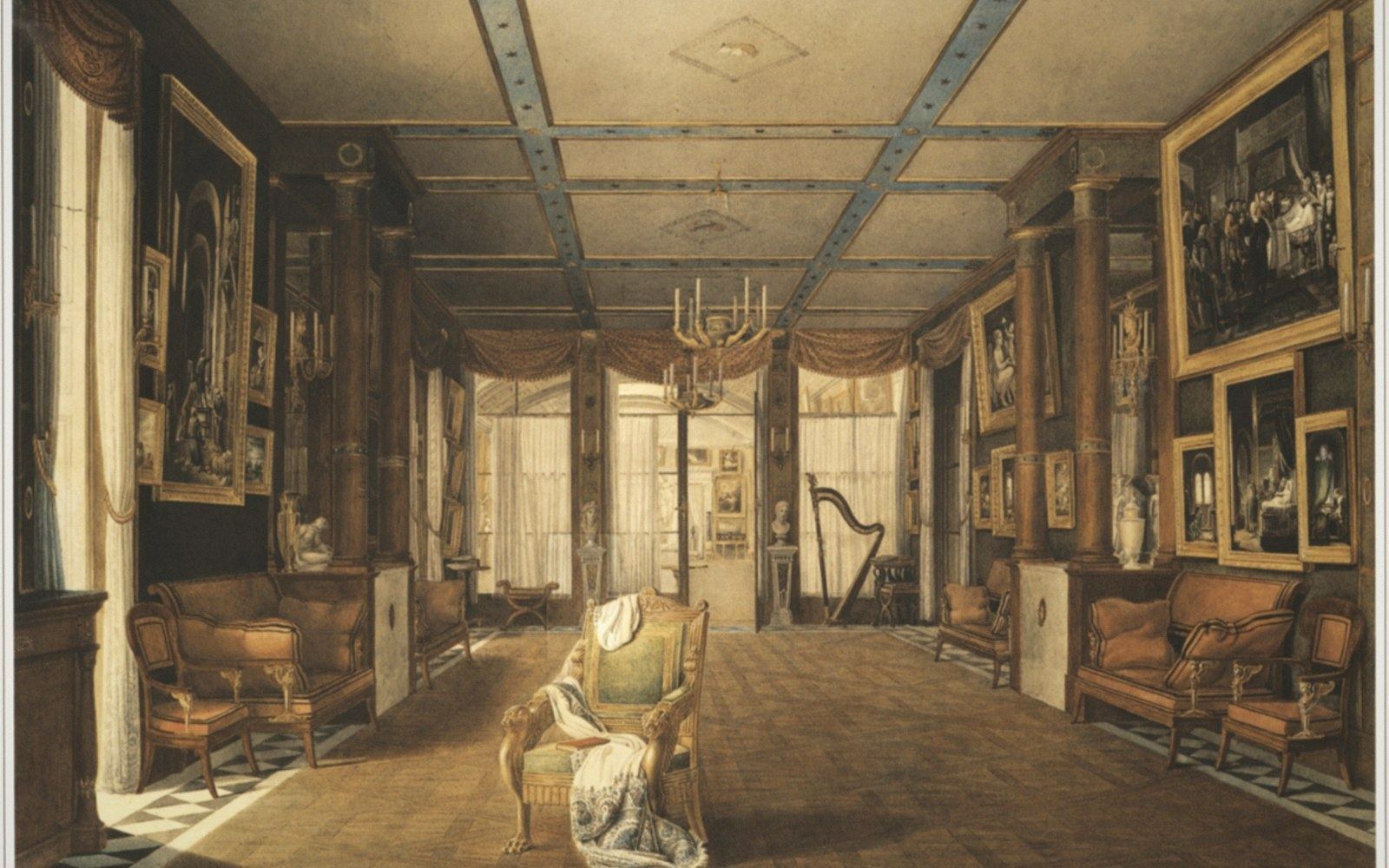
Then there is the question of contact. Conservation practice requires a gap between glass and picture surface — direct contact traps moisture, encourages mould and can cause media to adhere to the glass over time. Spacers built into the frame rebate, or a deep enough mount in a matted work, maintain that clearance. A framer who lets glass sit flat on a watercolour is doing damage on a slow clock.
Acrylic glazing — often sold under trade names such as Tru Vue Optium — is lighter than glass, shatter-resistant and available with excellent AR and UV properties. Its liabilities are different: it builds up a static charge that can lift friable media such as pastel or charcoal off the surface if it comes too close, and it scratches more readily than hardened glass. For pastels, the recommended clearance is larger than for any other medium, and some conservators prefer not to glaze them with acrylic at all.
Material trade-offs
- Standard float glassreflects ~8% of light; cheap, durable, adequate for low-stakes hanging
- UV-filtering glassblocks 90%+ of ultraviolet; same reflectance as float unless AR-coated
- Museum AR glassreflection below 1%; high cost, scratch-sensitive, top choice for works on paper
- Acrylic (e.g. Optium)light, shatter-resistant, good UV and AR options; builds static charge; scratches easily; not suitable for pastels at close clearance
- Unglazedstandard for oil on canvas; preserving surface texture and paint depth
Oil paintings on canvas are not conventionally glazed — the texture and scale of the surface is part of what the work is, and enclosing it changes what light does to surface in ways that flatten impasto and kill the paint's depth. When an oil does appear behind glass — as in a small panel painting or a heavily varnished historical work in a domestic setting — the framing choice is almost always about protection rather than presentation.
The practical question when standing in front of a glazed work is whether the glass is letting you see the work or showing you the room. If the answer is the room, the angle of the light source is wrong, the glass is wrong, or both.
What goes wrong
- Glass resting on picture surfacetraps moisture, risks media transfer over time
- Acrylic too close to pastel or charcoalstatic lifts friable media
- Wrong beam angle with any glazingviewer sees the room, not the work
Also in The Edge