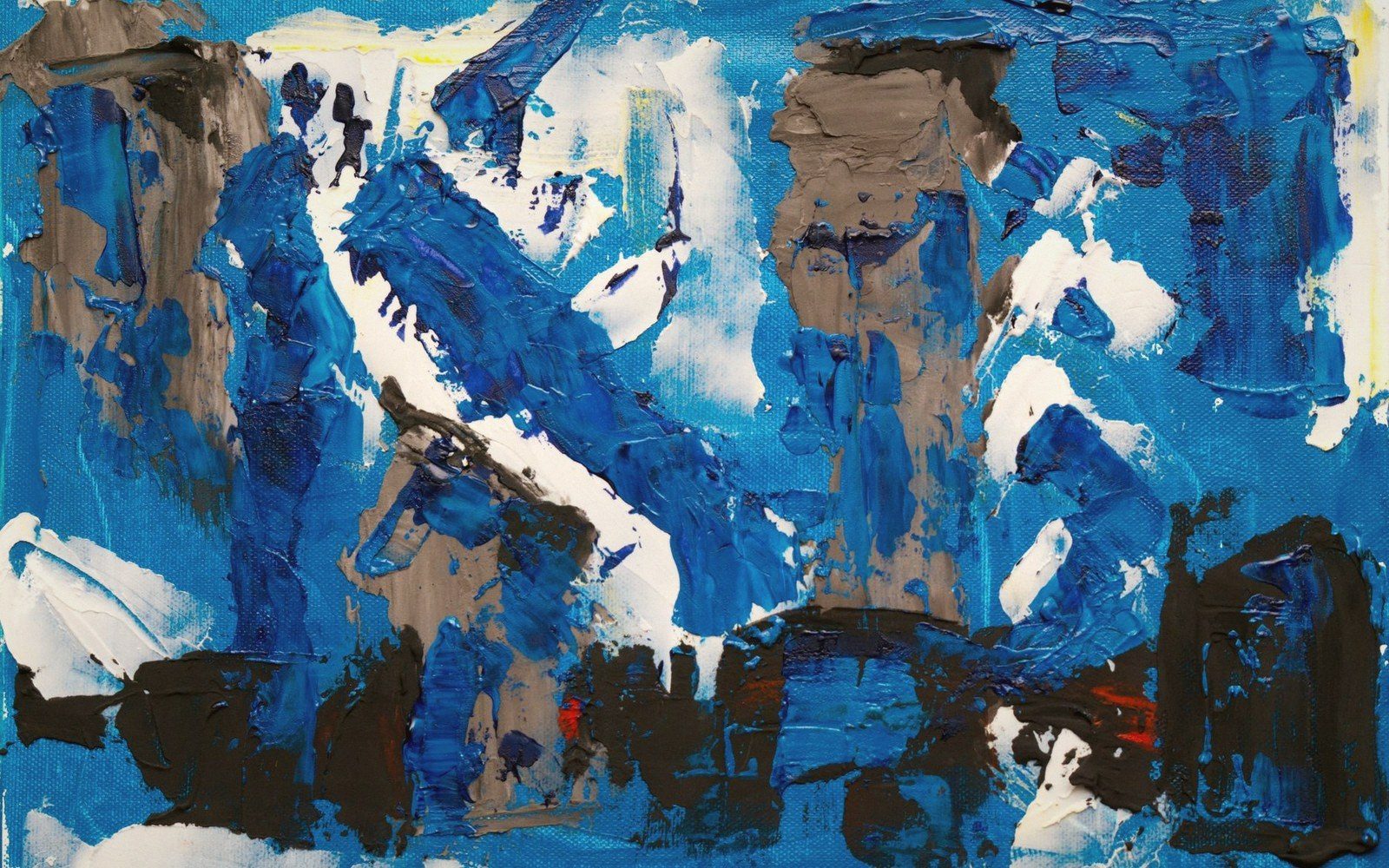
The piece that does the most work
Before anyone has moved along a wall, made a comparison, or let their eye settle, one work has already been absorbed. The first piece seen from the threshold is not merely the beginning of a sequence — it is the implicit argument for why this particular room, hung this particular way, is worth the time it demands.
That first work sets a key. It announces scale: every work seen after it will be measured against it, consciously or not. It announces temperature — the warmth or cool of the palette, the density of the surface, the emotional register. A loose, gestural piece hung first tells the visitor to read loosely. A spare, geometric panel tells them to slow down and look precisely. The room's whole atmosphere follows from that opening instruction.
This is not the same as hanging the most important work first. Importance in a collection and importance in a sequence are different properties. The work best suited to open a room is often not the best work in it — it is the one most capable of calibrating the eye. A dominant tour de force at the threshold can make everything that follows feel like an afterthought, as surely as a weak or muddled opener drains energy from the pieces it precedes.
The sightlines matter here more than anywhere else in the hang. The first work is rarely the first work on the wall; it is the first work in the direct line of sight from the entry point. A piece placed on a lateral wall, invisible until you are already inside, does not function as an opener even if it is the first you encounter. The opener is what the threshold delivers.
What changes at the threshold
- First work seenthe piece in the direct sightline from the entry point, not necessarily the first encountered on any wall
- Keythe scale, palette, surface density and emotional register that every subsequent work is unconsciously measured against
- Dominant openera work so strong at the start that it subordinates everything that follows
- Calibrating openera work suited not by importance but by its ability to tune the visitor's eye
This is why hanging technicians think about the doorway before they think about individual works. The axis of entry is a given — the architecture decides it. What the first work does is meet that axis with an answer. Hang a horizontal landscape and you propose rest; hang a vertical figure and you propose attention. Hang something densely detailed and you invite close reading from a distance the room may not give you.
The logic runs through every subsequent decision. When the register of the first work is established deliberately, the spacing, the lighting and the sequence of what follows all have something to calibrate against. When it is chosen carelessly — hung first simply because it arrived first, or because it fits the corner — the whole room can feel unresolved, even when every individual piece is well placed.

First is not an honour. It is a function.
Also in Hanging