The exposure problem
Illumination is never only visibility — it is dose. The chemical bonds in colorants, dyes, paper fibres and organic binders absorb photon energy and break down. The process is irreversible, cumulative and, at normal exhibition levels, continuous. A work shown under modest lighting for a year has still received a full year's worth of degradation; dim the room and you slow the clock, but you cannot stop it.
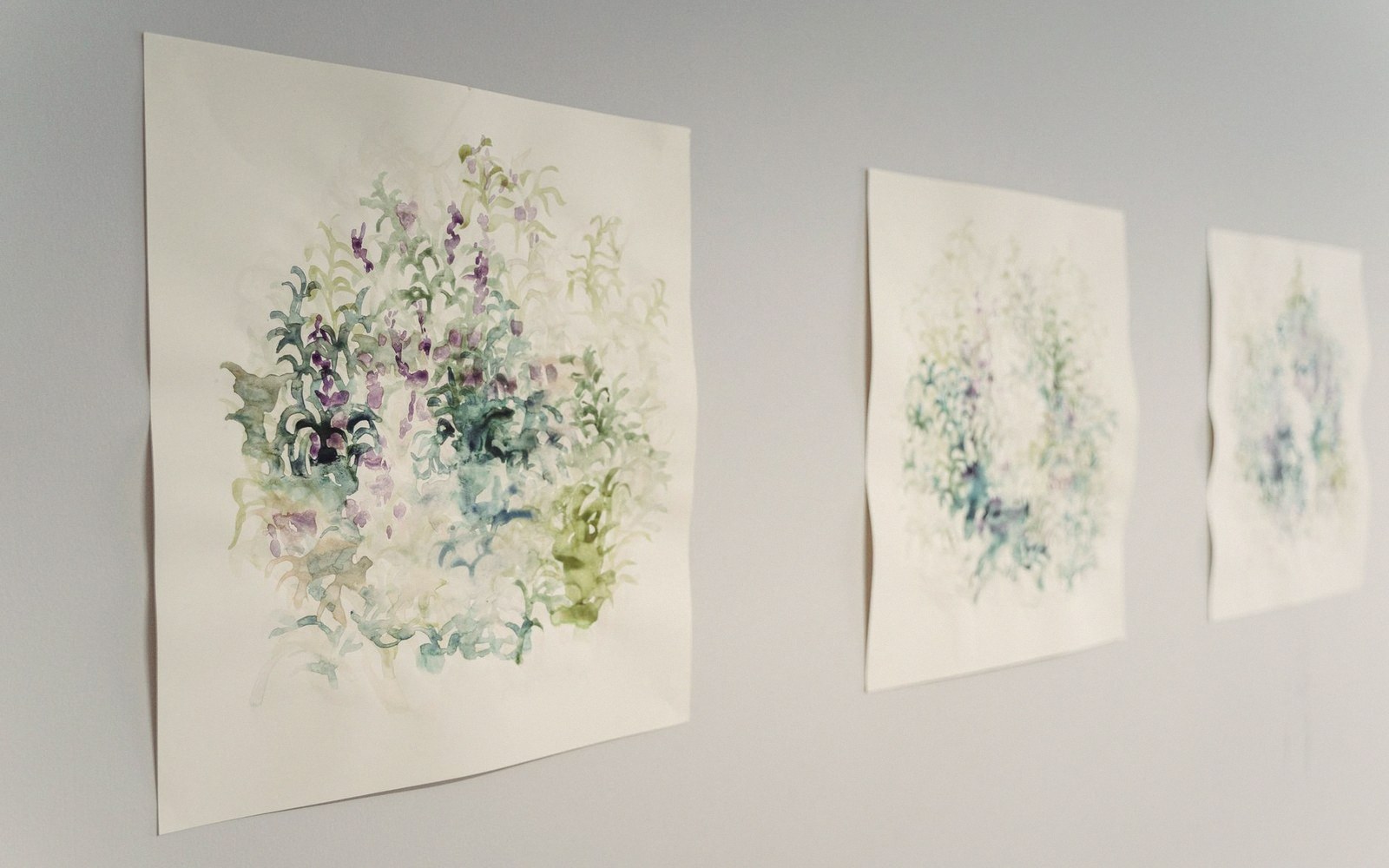
The standard unit for managing this is lux-hours: illuminance in lux multiplied by time. A watercolour hung at 50 lux for eight hours a day accumulates 400 lux-hours in a single day, around 146,000 in a year. The same work shown at 200 lux would reach that total in under four months. Conservators set annual lux-hour budgets for sensitive works the way a radiation physicist tracks dose — the arithmetic is the same, and so is the logic.
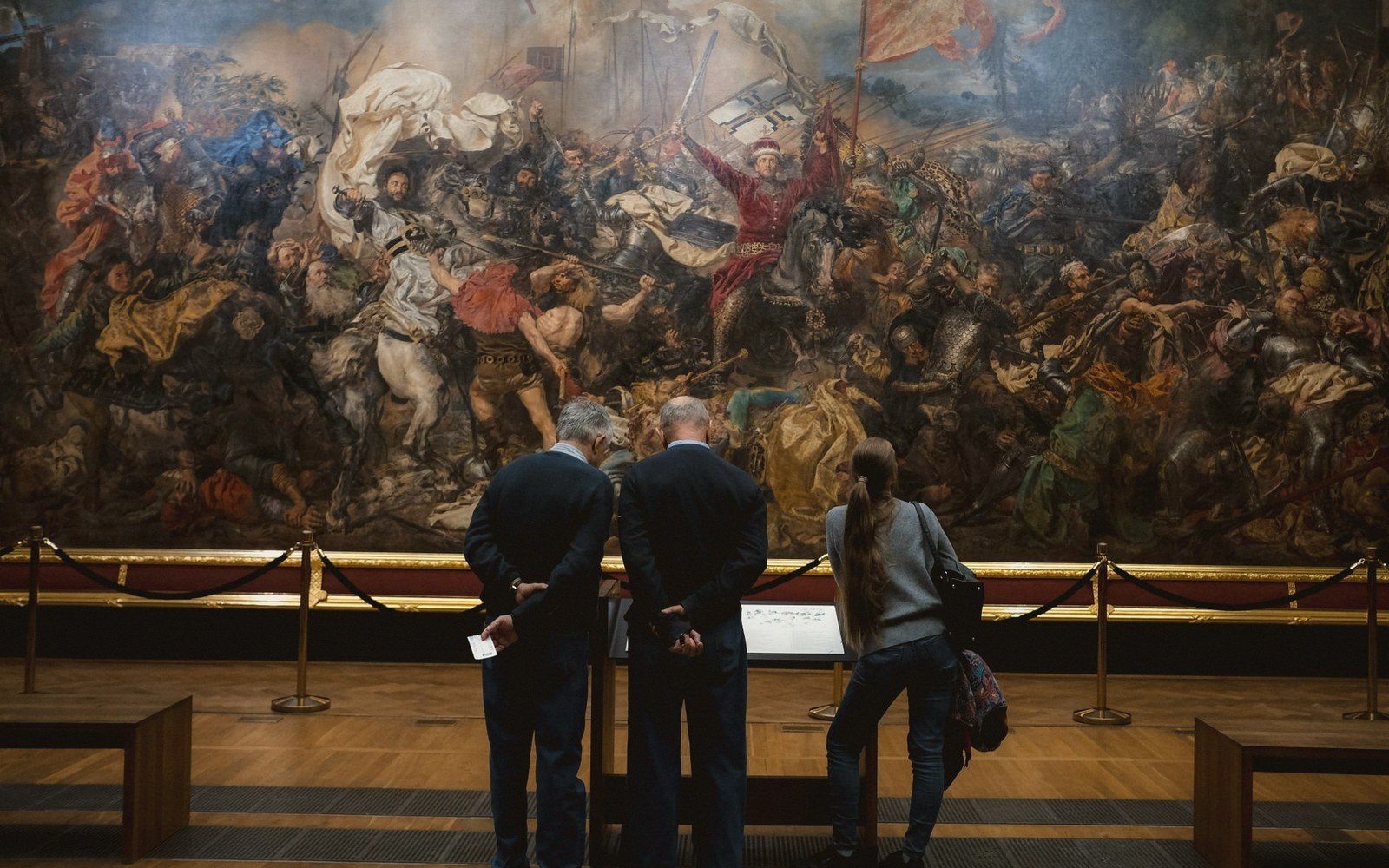
Ultraviolet radiation accelerates the damage further, which is why filtered lamp sources and UV-blocking glazing matter even when visible light levels look acceptable on a meter. Infrared adds heat, which drives the chemical reactions faster and can cause differential expansion in layered media. A framed work on paper in a sunny window is receiving all three insults at once.
The practical consequence is the rotation and resting of works on paper, textiles and photographs. Major print rooms and works-on-paper collections pull sheets after a fixed lux-hour total and return them to dark, climate-controlled storage. The darkness is not neglect — it is the period in which no further damage is occurring, the equivalent of closing a wound. Some collections cycle works on display across years precisely to spread the irreversible loss across a larger group of objects.
Oil on canvas and works on stable mineral pigments tolerate higher levels. Fugitive organic dyes — madder lakes, early synthetic anilines, many nineteenth-century watercolour colours — are acutely sensitive. Fading is rarely even across a work's surface, which is why a mat line or a covered margin can reveal, decades later, what the original hue actually was.
Hanging a sensitive work well means hanging it briefly, dimly and with a plan for what comes next. Light that makes a work visible is also the agent that makes it impermanent.
Also in Light